

My Parents' House
an illustrated love letter to all the details and quirks

Nota bene: Because this is another very long post, this email may be truncated in your email. If it’s been clipped, you can click “view entire message” to load the whole post or choose to read it in the Substack app or your browser.
My parents bought their house in 1998. We left behind a house my parents had renovated beautifully on a picturesque street in a colonial New England village flanked by cranberry bogs and the Atlantic Ocean to move to a much more urban suburb of Boston, “home to some of the finest examples of 19th and 20th century American architecture”, within walking distance to shops, restaurants and (Boston’s notoriously terrible) public transport. The move completely changed my life, but that’s the stuff for another post.
The house — built sometime before 1910 — had been bought as an investment property and neglected for years. It needed lots of work but still had so many original details: the hardwood oak floors, mahogany panelling, decorative ceiling beams, Victorian bathroom tiles, mahogany panelled doors and pediments over them. My parents worked their magic on it over the first five or so years we lived there. It was a wonderful place to grow up.
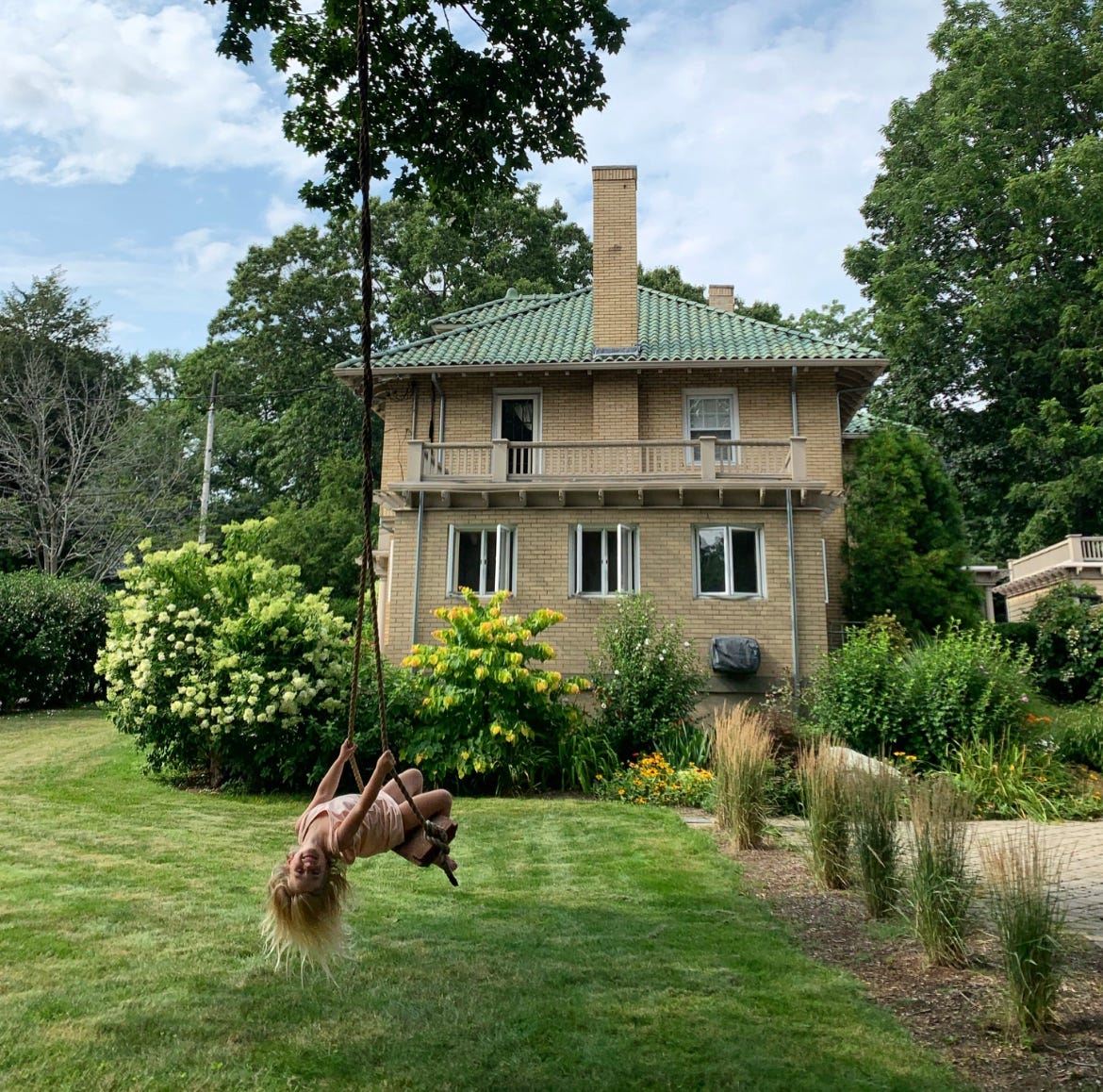
There are lots of little quirks to the house that I want to show you. Because houses have quirks! And quirks are good. Not everything needs to match. Not everything needs to be updated. Not all the floors or the handles need to be the same.
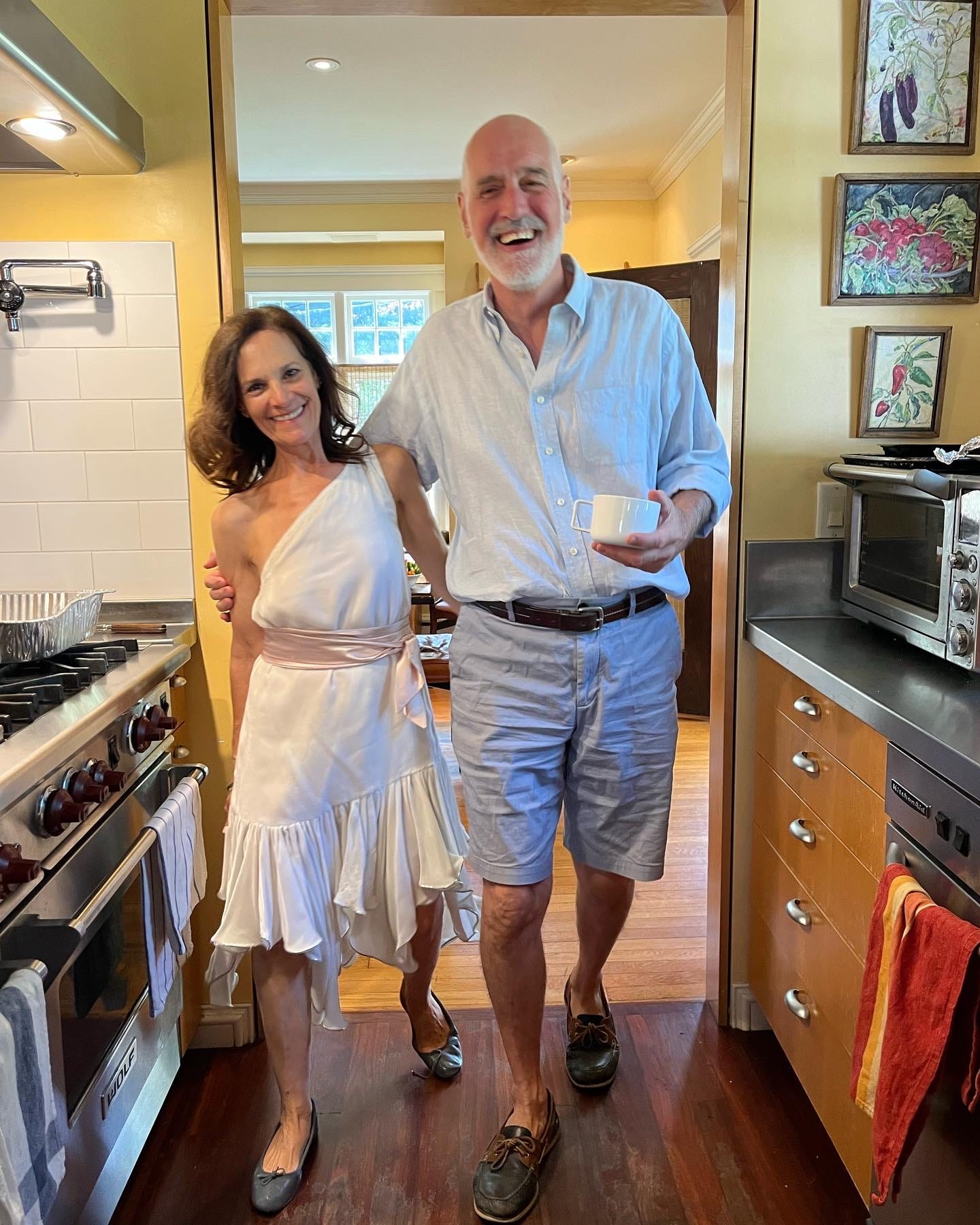
But first, I’ll just give summary of all the things they’ve done in the 25 years they’ve lived here. They did most of the work themselves with the help of a builder “with vision” called Paul. Over the course of five years or so, they landscaped and fenced in the garden, added a driveway and a tiny mudroom extension. They temporarily moved the kitchen into the basement as they rejigged half the ground floor, removing a second staircase to create a new cook’s kitchen, powder room and pantry. They added central air conditioning and an irrigation system. For the most part, they didn’t really mess with any original details (the kitchen was a 1970s atrocity, two of the bathrooms still are) except for removing the dark mahogany panelling in the dining room (it was too dark and incomplete, they insisted, and they reused it in the downstairs loo).
In the unfinished basement, they created a studio for my mum, a playroom for us kids (that we never really used), and a workshop for my dad. Upstairs, they enlarged a linen closet and stole space from a bedroom to create an upstairs laundry room and enlarged an existing jack-and-jill bathroom to form an ensuite bathroom with a dressing area. This is one of my favourite rooms in the house — they preserved the original Victorian wall tiles, installed a shower and double vanity in a gorgeous old chest of drawers. They had plans to renovate the other two (dated) bathrooms but, after 25 years, they still haven’t gotten around to it.
(I’ve talked a bit about the renovation before here: you can find my parents’ design lessons plus so many more photos of their home, including before-and-afters, here.)
On the top floor, where my childhood bedroom is sits alongside a bathroom and another small bedroom,
they’ve changed exactly nothing. The bathroom — with its 1970s sink and plastic, floor-to-ceiling bathtub situation — needs updating. The radiators have never worked up here, so we sleep with two feather duvets. The rooms are small but perfect, with closets, built-in benches under the windows and solid, heavy woodwork.
Outside, they landscaped the garden themselves and built a second garage, turning the old one into a bigger workshop for my dad’s table saws, and storage for our snow blower, lawn mower, bicycles, snowboards, skateboards and all the other accessories of an American childhood. Through it all, we lived in the house as a family of five and I learned to be comfortable living in a building site.
So here are some of the quirks and the details I love.
